
Leading Through Uncertainty: Self-awareness as a compass
4 min read

Leading through uncertainty is one of the most defining competencies in today's leadership landscape. But what does that actually require of a leader, and how do you develop that capacity in a structural way?
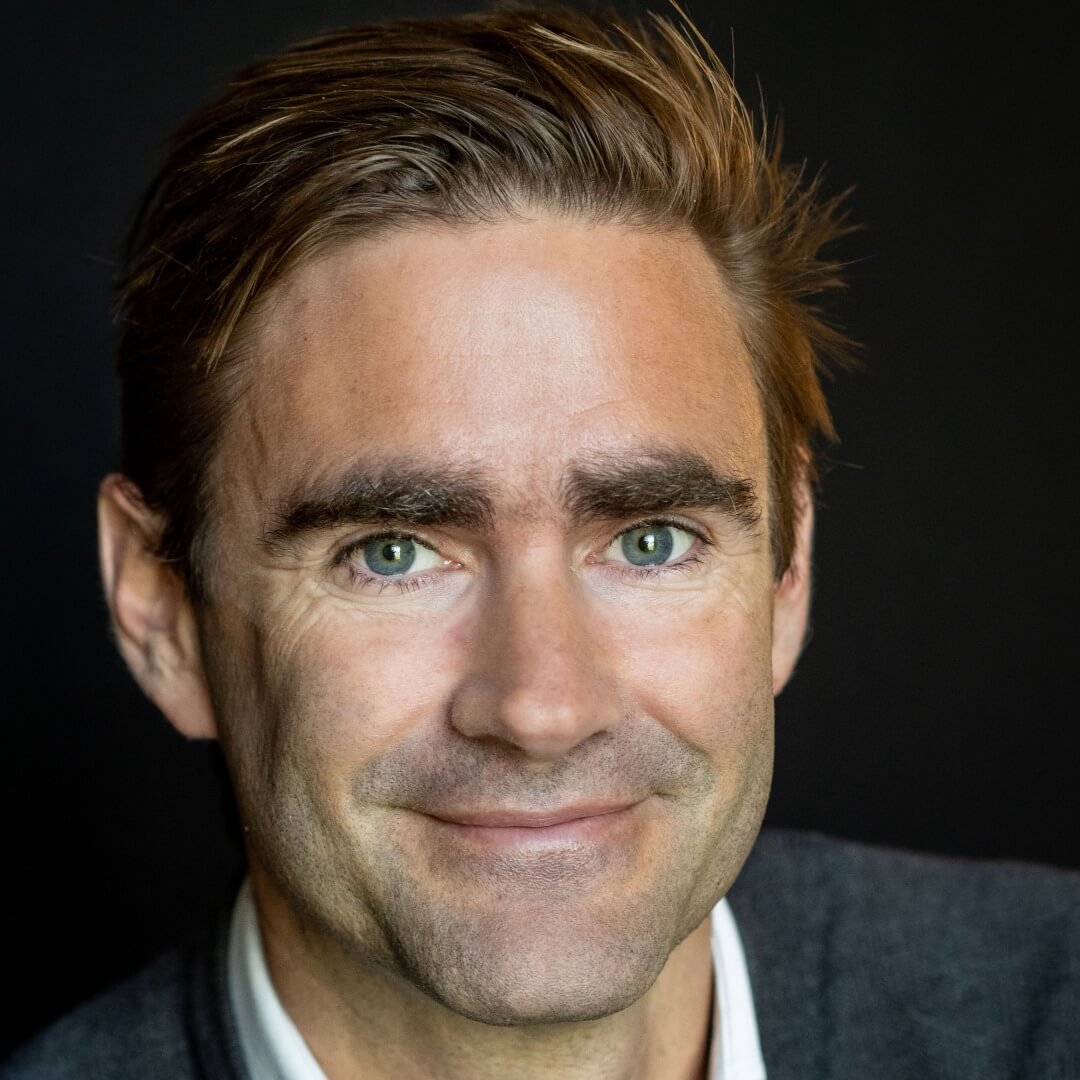
For Pieter Ebeling, Partner at Odgers, the answer begins with self-awareness. Not as an abstract concept, but as something he has had to live through himself. He is aware that he adds the most value by creating direction and energy, bringing the right people together and breaking through stigmas. By thinking bigger, staying results-driven and showing courage, he sets things in motion. He is equally aware of where his added value does not lie; for example, in the day-to-day management of teams.
Which unexpected turn in your career has shaped you into the leader and adviser you are today? And how does that experience help you deal with uncertainty?
"The most defining turning point was a car accident in 2018. The following year was the most successful of my career. But I was working through the pain. In October, I collapsed completely. I had never felt so helpless.
What followed was treatment in a clinic, with cognitive behavioural therapy — which happened to be my old field of work as a forensic psychologist. That period became the start of a serious journey of personal development: unpicking who you are, which patterns you carry with you, what works and what doesn't. I have had the privilege of being able to take that developmental journey and continue it in different ways, both inside and outside our organisation. At Odgers I work with people we laugh a lot with, but with whom we also — as obsessives in the field — talk a lot about personal development. Structurally, through formal sessions, but more often in between. Although I can occasionally lose myself in it, it has made me who I am today.
Dealing with uncertainty seems to come naturally to me. Early experiences such as a (solo) trip through Australia and Asia, a period in South Africa, and setting up an office in Cyprus and the Middle East taught me that uncertainty produces something valuable, provided you have the courage to look your fear in the eye. I also enjoy breaking through stigmas — for myself, but for others as well. That sometimes calls for colouring outside the lines. Not always convenient or easy, but often rewarding in hindsight."
Which leadership quality do you deliberately draw on when circumstances shift or grow complex? How does that show up in your work with clients and candidates?
"When things become more complex, I actually move closer in. Towards both the client and the candidate, that means: communicating more, being more explicit about your line of thinking, and being transparent about the steps you are taking. This is something I have had to learn, by the way.
I also consciously hit the pause button. In complex situations there is a risk of getting lost in the surrounding conditions. So I return to the core: what exactly was the question we set out to answer? Together, we always find our way back to a creative approach. I am goal-oriented by nature. If the goal needs to be adjusted, fine — but I like to test that first. That focus on outcomes does have a downside, because it brings with it an element of control and directness on my part. Not always pleasant for the people around me. It would be better to move with the waves of the universe, but that is sometimes easier said than done."
In which area do you want to grow further or experiment this year?
"In recent years I have noticed that my advisory role — both professionally and personally — has grown. I am pleased with that; it feels like a wonderful gift, both for myself and for the other person.
At the same time, I am someone who likes to create. My strength lies particularly in shaping a long-term vision and energising others to bring that vision to life. At Odgers, we have invested heavily in new services in recent years — think of our ecosystem for executive coaching +pascal, our current investments in an operating model in which we have embedded AI and technology into our services, or the full service line from DD to exit for PE clients.
But I have that drive outside of work as well. I am wrestling with my ambition to offer a standardised toolkit in primary schools that makes pupils more aware of themselves and their environment. I have also committed myself to an international initiative aimed at doing the same for Gen Z. Raising funding is something I haven't done before, so it is new territory. But isn't that how we learn? As far as I am concerned, the world revolves around learning, creating and giving back. C'est tout. And love, fun and good food."
Self-awareness as a compass
Pieter's story shows that awareness isn't something you read about or follow, but something you have to live through yourself. The accident in 2018 forced him to stop and reflect, the journeys and choices he made taught him how to deal with uncertainty, and the self-knowledge that emerged forms the foundation of his leadership today. Now he wants to create that same awareness in others — in organisations, in teams and in the next generation.
At Odgers, we believe the best advisers keep moving, keep questioning and take others along on that journey. Do these challenges sound familiar? Or would you like to exchange thoughts on leadership in complex circumstances? Get in touch with Pieter.

Never miss an issue
Subscribe to our global newsletter to discover our latest insights, opinions and featured articles.
Follow us
Join us on our social media channels and see how we're addressing today's biggest issues.