

Leading Through Uncertainty
4 min read
Behind Every Successful Transformation in Retail is a Brilliant Leader
7/10/2026
Subscribe to our global newsletter to discover our latest insights, opinions and featured articles.
4 min read


While AI dominates the headlines, the bigger leadership question is not whether technology will change the way organisations operate. It is whether leaders can translate that change into measurable business value.
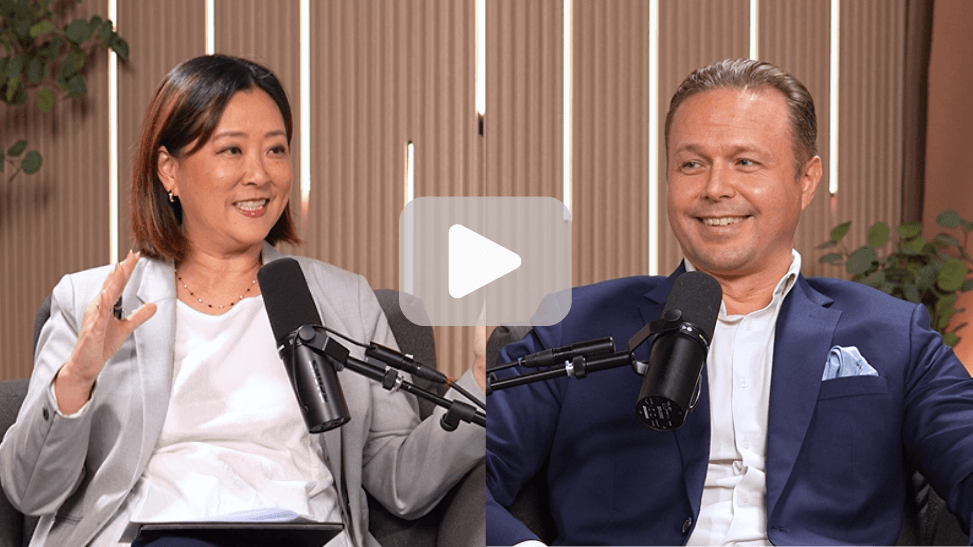
In the APAC debut of Leading Through Uncertainty, Karen Chiew sits down with Paul Clayson, Head of Technology & CIO Practice, Southeast Asia, to explore how technology leaders can navigate AI, shifting talent demands and constant change.
The conversation explored:
Watch the conversation:
Should tech leaders be experts or experimenters? | Explore the episode your way: watch the conversation, listen on Spotify, or read the full article below.
Karen opens the conversation by asking Paul how he views the technology sector after several years of accelerated growth, correction and renewed investment.
Paul's view is clear: while AI is often seen as the main disruptor, many organisations are still recalibrating after years of overexpansion. At the same time, major AI infrastructure investment is forcing leaders to make difficult choices about where capital and talent should be directed.
The result is a more disciplined market. Organisations are still hiring, but the leaders they need now look different: more commercially focused, more adaptable and better able to connect technology decisions with business outcomes.
The talent organisations want today is highly fragmented. Finding leaders with deep technical capability and strong commercial instincts remains incredibly competitive.
One of the strongest themes from the discussion is that technical expertise alone is no longer enough. The most effective technology leaders are those who can translate complexity, build trust and help organisations move with confidence through ambiguity.
Today, organisations are looking for leaders who can:
When Karen asks what separates the strongest technology leaders from the rest, Paul points to continual learning.
In a sector moving this quickly, experience matters, but it is not enough. Leaders need to stay curious, test new tools, understand how AI can improve their own work and be willing to unlearn habits that no longer serve the organisation.
As Paul puts it, leaders who thrive will be those willing to unlearn as quickly as they learn.
Keep learning, ignore the hype and experiment. The more you understand how AI can improve your own work, the better equipped you'll be to lead meaningful transformation across the organisation.
The conversation also explores how leaders maintain trust when employees, investors and customers are all navigating change at the same time.
For Paul, authentic leadership starts with honesty: being clear about what is known, what may happen next and what remains uncertain.
It's about consistency, transparency and empathy. People don't expect leaders to have every answer, but they do expect honesty.
Technology leadership roles are also changing. Traditional distinctions between CIO, CTO, Chief Digital Officer and emerging AI-focused roles are becoming less rigid. Rather than starting with a title, Paul says organisations need to start with the business challenge: what needs to change, what capabilities already exist and how a technology leader will work with the broader executive team to deliver impact.
That shift is making commercial fluency just as important as technical capability. The CIO, in particular, is no longer viewed only through the lens of systems, infrastructure and uptime. Increasingly, the role is tied to growth, innovation and value creation.
Looking ahead, Karen and Paul discuss the challenge many organisations now face: moving from AI experimentation to tangible outcomes.
The opportunity is significant, but so is the risk. Implementing AI too quickly, or without a clear connection to customer value, can create friction instead of progress. For leaders, the priority is to stay focused on implementation, commercial impact and the human experience of change.
The leaders who create the greatest impact will not simply be those who understand the latest tools. They will be those who keep learning, communicate with clarity and help their organisations adapt with confidence.
This mindset, staying curious, learning continuously and experimenting with purpose, is what will separate the leaders who keep pace with change from those who turn it into advantage.
____________________________________________________
Leading through uncertainty requires more than keeping pace with change. It requires leaders who can turn complexity into clarity and momentum.
Get in touch. Follow the links below to learn more, or connect directly with our dedicated executive search and leadership advisory experts and Technology practice at your local Odgers office here.
Leading Through Uncertainty
4 min read
Behind Every Successful Transformation in Retail is a Brilliant Leader
Leading Through Uncertainty
5 min read
How the Sports Leadership Model is Being Reshaped
Leading Through Uncertainty
4 min read
Why Judgement Is One Of The Top Leadership Capabilities In Asset Management
Services
Functions

Subscribe to our global newsletter to discover our latest insights, opinions and featured articles.