

Technology & IT Services
Leading Through Uncertainty: Reflections from Technology Sector CHROs
7 min read
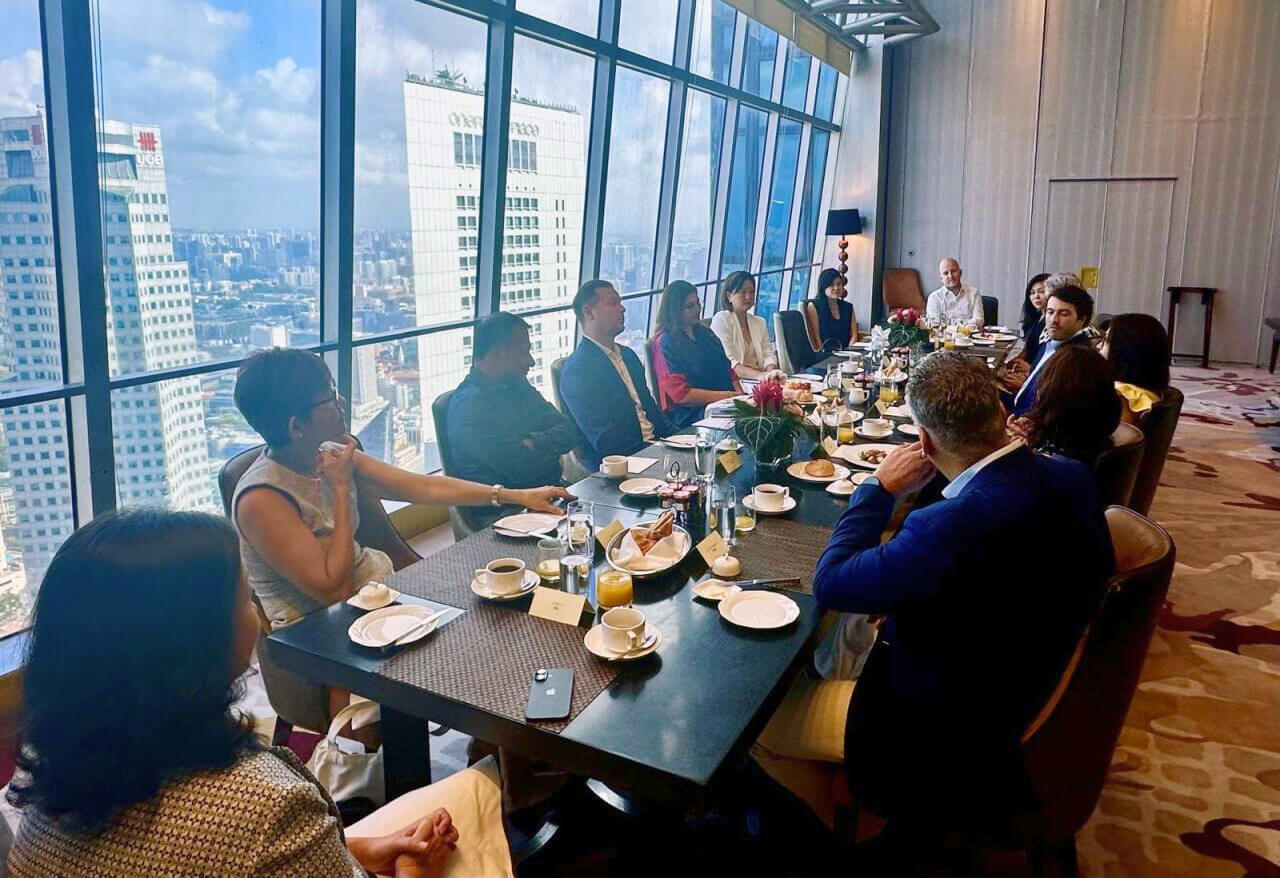

As part of our Asia Pacific CHRO Breakfast Series, we recently convened senior HR leaders from across the Technology sector.
The conversation centred on a shared reality: uncertainty is no longer episodic; it is the context in which leaders operate every day. Against this backdrop, we explored how leadership expectations are evolving and what it truly means to lead effectively through sustained disruption.
Several clear themes emerged from the discussion.
Building Trust Through Transparency
In periods of frequent difficult decisions and limited good news, trust becomes a leader’s most critical currency. Participants emphasised that trust is built not through oversharing, but through thoughtful, honest, and consistent communication, particularly around challenges. Silence or partial information fuels speculation and anxiety. While leaders may not always be able to offer certainty, they can provide clarity by communicating what is known, what is still evolving, and how decisions are made. Authentic, consistent messaging helps stabilise teams in unpredictable environments.
Balancing Results and Transformation
Leaders are increasingly required to manage two competing imperatives: delivering short-term performance while building the capabilities needed for future transformation. This tension is rarely resolved by a single individual; instead, participants highlighted the importance of complementary leadership teams, where strengths in execution, innovation, and change enable progress without sacrificing results. Leadership effectiveness is therefore assessed through broader lenses, combining business outcomes with people leadership, collaboration, and enterprise impact.
Agility Built Through Experience
Agility and adaptability were viewed not as abstract competencies, but as capabilities forged through experience. Exposure to different roles, geographies, and business contexts was considered one of the most effective ways to develop leadership judgement. By intentionally moving leaders into unfamiliar or complex environments, organisations develop leaders who can interpret situations quickly, adjust their approach, and recognise that different challenges require different leadership responses. Over time, this experiential learning strengthens both individual confidence and organisational resilience.
Anchoring Leadership in Values
Amid sustained uncertainty and constrained resources, many organisations are returning to their core values as a stabilising anchor. Participants described revisiting leadership frameworks to clarify what truly matters and which behaviours are prioritised in selection and development. Collaboration, enterprise thinking, and leading beyond functional boundaries are becoming central expectations. Culture is not owned by HR alone; it requires shared accountability across organisational leadership.
Hiring and Developing Potential
Despite a cautious “wait and see” stance across many organisations, there was a strong consensus that hiring for potential remains critical. Investing in individuals who can grow into future roles requires courage, particularly when the future feels uncertain. Leaders and HR teams alike recognised the importance of continuing to back learning agility, curiosity, and adaptability by taking thoughtful bets on those with the capacity to step into greater scope and complexity over time.
Enterprise Thinking and Impact
Leadership success was reframed to encompass not only individual or team outcomes but also enterprise-wide contributions. Cross-functional and cross-business alignment were highlighted as essential, especially as organisations navigate complexity and interdependence. Supporting leaders through key transitions was also seen as a critical enabler of sustainable performance. Internal sponsorship, mentoring, and external coaching were viewed as important mechanisms for building confidence, capability, and broader organisational impact.
Shifting Ownership for Growth
A clear shift is underway in how organisations approach talent development. While HR continues to provide frameworks, tools, and guardrails, ownership of growth is increasingly resting with employees and their managers. Participants noted a movement away from HR-led handholding toward stronger coaching mindsets and feedback-rich environments. Development discussions are placing greater emphasis on real experience, how leaders have navigated ambiguity, risk, and complexity. Language is also evolving, with performance increasingly framed around “growing impact” rather than meeting static outcomes.
Psychological Safety and Resilience
The group explored the evolving meaning of psychological safety, acknowledging the tension between creating “safe spaces” and recognising that uncertainty inevitably brings discomfort. Psychological safety does not remove anxiety; rather, it allows concern, challenge, and differing perspectives to be expressed productively. Resilience was discussed with nuance, with caution against positioning it as merely tolerating ever-increasing pressure. Authentic, consistent, and dependable leadership was viewed as essential in a world where certainty is scarce.
The Role of Middle Managers
Middle managers emerged as a priority population for organisations navigating uncertainty. As the first and most frequent point of contact for employees, they play a disproportionate role in shaping trust, engagement, and the day-to-day experience of work and the organisation’s culture. While senior leaders are critical in role-modelling desired behaviours, lasting impact is achieved when capability, clarity, and confidence consistently cascade through this layer of leadership, turning intent into everyday practice.
Across the discussion, one message was clear: leading through uncertainty is not about having all the answers. It is about intentionally building trust, agility, cultural awareness, courage, and authenticity, capabilities that allow leaders and organisations to move forward together, even when the path ahead is unclear.
__________________________________________________________
Get in touch. Follow the links below to discover more, or contact our dedicated leadership experts from your local Odgers office here.

Never miss an issue
Subscribe to our global newsletter to discover our latest insights, opinions and featured articles.
Follow us
Join us on our social media channels and see how we're addressing today's biggest issues.