

What Makes an Effective Chief People Officer?
5 min read

From support function to strategic powerhouse, no role has transformed as radically as the CPO.
CPOs are at the epicenter of a business’s success, connecting engaged teams with financial performance. With 25% of FTSE companies now including a CPO on the board, their influence is increasingly recognized.

For CEOs, boards and senior leaders, this has clear implications: the CPO is no longer purely a functional leader, but a critical enterprise leader and strategic partner, shaping performance, risk and long-term value. Recognizing this is imperative.
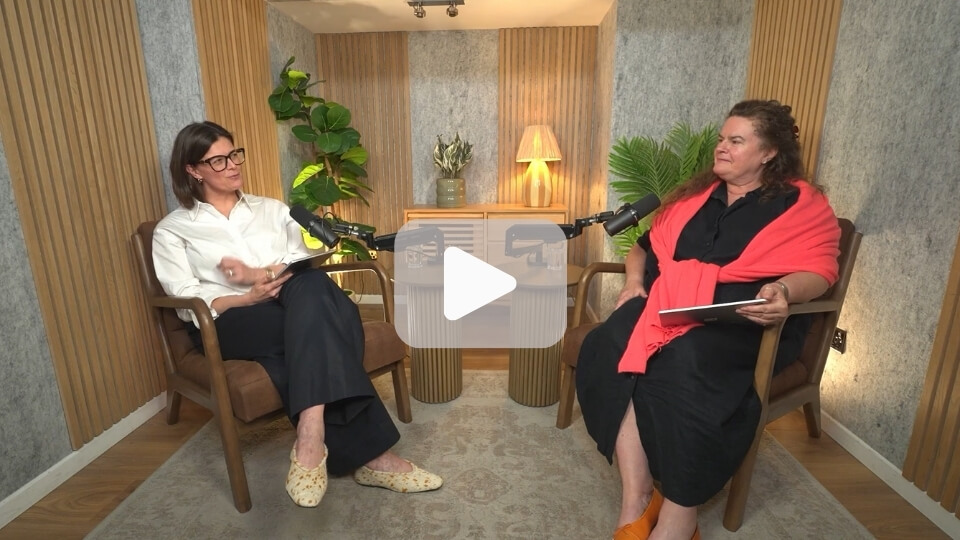
As part of our Leading Through Uncertainty series, Kate Burns, Managing Partner and COO of Odgers UK, joined Áine Hurley, Head of our People & Culture Practice, to discuss the inherent value of CPOs, what boards need to know and key leadership insights drawn from Áine’s 34 years with Odgers.
The discussion explored:
- CPOs as enterprise leaders first and functional experts second.
- What sets the best apart.
- Leading through disruption with talent, culture and AI.
Watch now:
A role redefined by leadership, influence and partnership
There is no single model for the modern CPO. The role is shaped by sector, scale, maturity and ownership, however, a clear set of defining attributes is emerging.
At its core is strong commercial acumen: an unequivocal understanding of and interest in, business performance levers and how talent, culture and capability directly drive outcomes. Alongside this sits cultural curiosity and emotional intelligence, recognizing where the hotspots and the tensions lie, and how to intervene with impact.
Influence is critical. Today’s CPO must operate credibly across the executive team, board and external stakeholders, leading through ambiguity while anchoring decisions in a clear sense of organizational purpose and financial deliverables.
The most effective CPOs are deeply connected to both the organization’s purpose and output, bringing genuine belief and commercial understanding.
Without this passion, there is a risk that leadership decisions become overly transactional and short-term.
Central to the role is the partnership with the CEO. Here, the CPO balances both a moral and commercial compass, ensuring that performance and culture are not competing priorities, but mutually reinforcing. In practice, this means coaching for success, ‘holding up the mirror’ to the leadership team, offering honest reflection on behaviors and their organizational impact.
Ensuring the right culture, values and behaviors are clearly understood and embedded is vital, from the board to the newest graduate. It is not only a social imperative, but a commercial one.
It also requires shaping the conditions for success: investing in leadership development, embedding the right tools, and enabling meaningful, ongoing conversations about culture and engagement across the organization.
CEOs must actively invite and respond to challenge on leadership behavior and culture, while boards should treat the effectiveness of the CEO-CPO relationship as a leading indicator of performance and risk.
Strategic levers influenced by the CPO
These are enterprise-level choices requiring CEO alignment.
- Building future-ready capability. ‘Looking around corners’, aligning talent with evolving business strategy, anticipating skills shifts and designing organizations that can deliver future performance.
- Aligning performance, reward, and innovation. Ensuring performance metrics and rewards reflect true business priorities is critical. CPOs are also introducing innovative approaches to motivate employees and unlock discretionary effort.
- Using technology to drive ownership and efficiency. Beyond systems, technology is enabling a cultural shift toward a self-service mindset, accountability and individual ownership, embedding a more empowered and performance-driven organization.
Positioning the CPO at the organization’s center
CPOs occupy a unique vantage point across the organization, connecting leadership, workforce and external stakeholders.
Internally, success depends on a high-trust relationship with the CEO and Chair, as well as a strong partnership with the CFO to balance financial and people priorities.
CPOs must also navigate increasingly complex workforce dynamics, spanning multiple generations and evolving expectations.
Externally, the role is expanding, requiring engagement with investors, regulators and trade unions, particularly in highly scrutinized or private equity-backed environments.
CPO leadership essentials for boards
- Expect a clear, evidence-based connection between talent, culture and business performance.
- Ensure the CPO is empowered to hold the CEO and leadership team to account.
- Treat workforce, capability and culture as core to growth and value creation.
- Hold the CPO accountable for navigating AI, reskilling and workforce change.
The key takeaway
Organizations that continue to treat people strategy as a support function will fall behind. The most effective businesses are those that embed talent, culture and capability into every major decision, positioning the CPO not as a functional leader, but as a central architect of performance, transformation and long-term value.
Odgers’ People & Culture Practice partners with organizations to help the leadership, capability and culture required to deliver long-term, sustainable performance.
In our recent board report, we interviewed 34 CHROs and CPOs across Europe, North America and Asia - each serving as independent directors - offering a compelling, lived perspective on the impact the CPO brings to the board.
____________________________________________________
Odgers provides integrated executive search and leadership advisory services. We are deeply rooted in our local markets, which we combine with global perspective and reach to help organizations build transformational, world-class leadership teams.
Get in touch. Follow the links below to learn more, or connect directly with our dedicated executive search experts and People & Culture leadership consultants at your local Odgers office here.

Never miss an issue.
Subscribe to our global magazine to hear our latest insights, opinions, and featured articles.
Follow us
Join us on our social media channels and see how we’re addressing today’s biggest issues.